Rose quartz is one of the most loved crystals in the USA—and for good reason. Its soft pink glow, calming energy, and timeless beauty make it popular for jewelry, home decor, healing spaces, luxury interiors, and gifting.
But here’s the problem:
Not every “rose quartz” product sold online is real.
Many buyers in the United States unknowingly purchase dyed glass, synthetic stones, pink resin, or low-grade imitation crystals thinking they’re getting genuine natural rose quartz. And when you’re spending money on a statement decor piece, crystal bowl, wall mirror, tabletop, sculpture, or gemstone gift, authenticity matters.
If you’ve ever asked:
- How do I know if my rose quartz is real?
- What does fake rose quartz look like?
- Is rose quartz supposed to feel cold?
- How much does real rose quartz cost in the USA?
…this guide is for you.
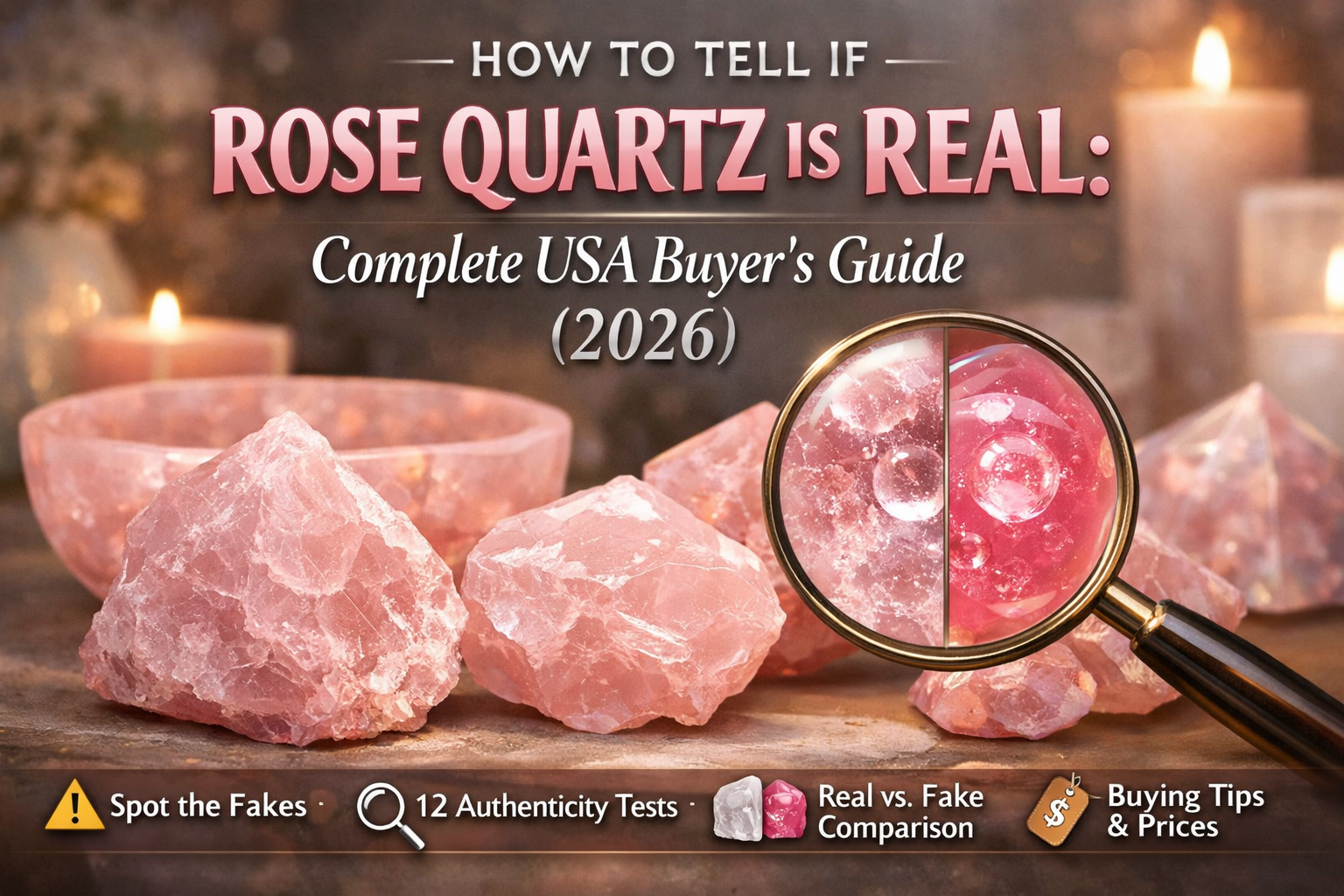
In this 2026 USA buyer’s guide, you’ll learn exactly how to identify real rose quartz, what fake rose quartz looks like, what tests actually help, what red flags to watch for, and how to buy with confidence.
What Is Real Rose Quartz?
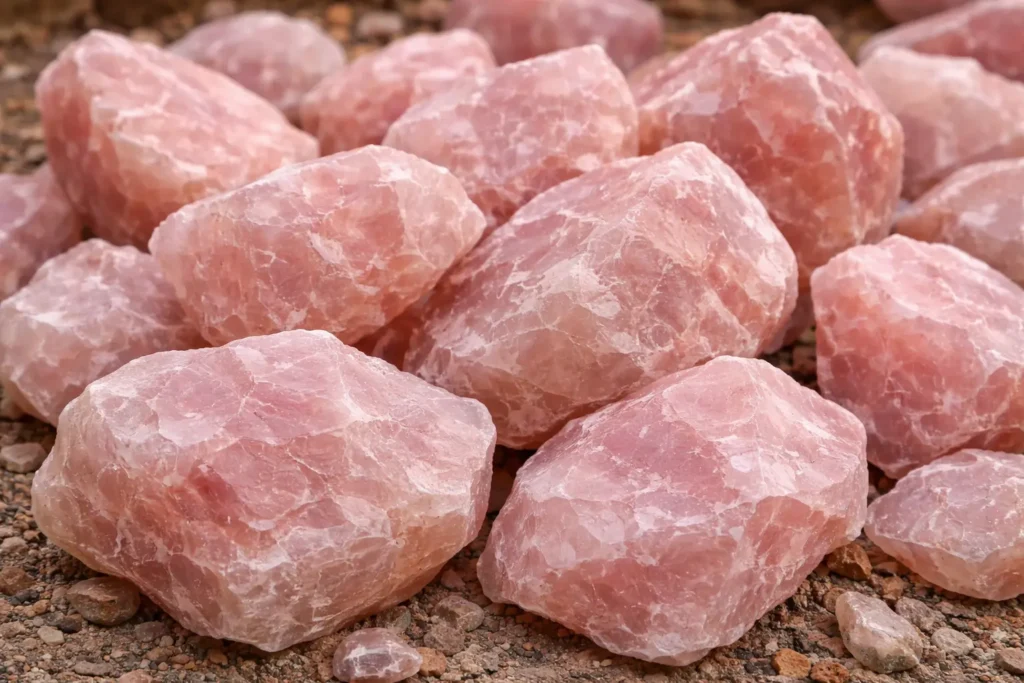
Real rose quartz is a natural variety of quartz known for its soft pink to rosy color. It gets its color from tiny mineral inclusions and structural characteristics inside the stone.
It is commonly used in:
- Crystal decor
- Jewelry
- Healing stones
- Luxury home accents
- Tabletops
- Decorative bowls
- Sculptures
- Wall art
- Spiritual gifts
- Premium handcrafted interiors
Unlike synthetic imitations, natural rose quartz forms in the earth over time, which means each piece has its own color variation, internal texture, cloudiness, and natural uniqueness.
That’s actually one of the biggest clues of authenticity:
Real rose quartz rarely looks “too perfect.”
If a piece looks extremely uniform, ultra-bright, bubble-free, and almost plastic-perfect, you should inspect it carefully.
Why Fake Rose Quartz Is So Common in 2026
The rose quartz market in the USA has grown quickly over the last few years because of demand from:
- Wellness buyers
- Crystal collectors
- Home decor shoppers
- Interior designers
- Spiritual gift buyers
- Luxury handmade decor buyers
As demand rises, so do low-quality imitations.
In 2026, many fake or misleading rose quartz products are sold through:
- Unverified online sellers
- Drop-shipping stores
- Social media ads
- Mass-market marketplaces
- “Too cheap to be true” decor listings
These products are often marketed with words like:
- “Natural style”
- “Rose crystal inspired”
- “Pink healing stone”
- “Quartz finish”
- “Rose gemstone look”
That wording can confuse buyers.
So let’s make it simple.
How to Tell If Rose Quartz Is Real: 12 Easy Signs
Here are the most reliable ways to identify genuine rose quartz before buying.
1) Check the Color Carefully
Real rose quartz usually has a soft, gentle pink tone.
It can range from:
- Pale blush pink
- Milky pink
- Dusty rose
- Slight peach-pink
- Medium rosy pink
What real rose quartz usually does not look like:
- Neon pink
- Bubblegum pink
- Bright hot pink
- Extremely uniform pink from edge to edge
Buyer Tip:
If the color looks too intense or too perfect, it may be:
- Dyed quartz
- Glass
- Resin
- Synthetic decorative stone
Natural rose quartz often has subtle color zoning, meaning some parts may be slightly lighter or deeper than others.
2) Look for Natural Internal Cloudiness
One of the easiest ways to identify real rose quartz is to look inside the stone.
Real rose quartz often has:
- Soft internal haze
- Milky areas
- Feather-like inclusions
- Natural cloudy texture
- Slight internal fractures
This is normal and often a good sign.
Be cautious if you see:
- A totally flawless interior
- Zero texture inside
- Completely clear bright pink transparency
- A plastic-like or artificial glow
That “too clean” look often means it is glass or imitation material, especially in low-cost products.
3) Real Rose Quartz Feels Cool to the Touch
Natural quartz is a stone, so it usually feels cool when you first touch it.
This is one of the most common and beginner-friendly checks.
Real rose quartz often feels:
- Cool
- Solid
- Heavy for its size
- Dense and smooth
Fake versions may feel:
- Room-temperature too quickly
- Lightweight
- Plastic-like
- Hollow or less dense
Important: This is a helpful clue—not a perfect test by itself.
Still, if your “rose quartz” feels like plastic or very light resin, that’s a red flag.
4) Check for Tiny Imperfections
A real natural crystal usually has some level of imperfection.
That can include:
- Natural lines
- Internal marks
- Slight uneven color
- Cloudy patches
- Minor surface irregularities
That’s because real stone is made by nature—not a machine.
Warning Sign:
If your rose quartz item looks like it came out of a mold with:
- Perfect identical color
- Zero inclusions
- Bubble-free glass shine
- Artificial smoothness
…it may not be authentic.
Nature is beautiful—but rarely factory-perfect.
5) Look for Air Bubbles (Very Important)
This is one of the easiest ways to catch fake rose quartz.
If you see round air bubbles inside:
That is a major sign of glass imitation.
Real rose quartz does not naturally form with smooth, floating round bubbles like glass.
What to do:
Hold the item under bright light and inspect it closely.
If you notice:
- Tiny round bubbles
- Floating circular pockets
- Evenly distributed trapped dots
…it’s likely glass, not quartz.
6) Real Rose Quartz Has Weight
Quartz is a dense mineral, so real rose quartz should usually feel heavier than it looks.
This matters a lot when buying:
- Bowls
- Decorative objects
- Home accents
- Sculptures
- Coasters
- Crystal decor pieces
- Luxury furniture inlays
Real stone often feels:
- Substantial
- Grounded
- Solid in hand
Fake pieces may feel:
- Too light
- Empty
- Foam-filled
- Resin-coated
If you’re buying online, ask for:
- Actual item weight
- Material confirmation
- Close-up photos
- Video under natural light
7) The Surface Should Not Look Like Plastic
Real polished rose quartz has a beautiful natural luster, but it should not look fake-shiny like plastic.
Real polished rose quartz usually has:
- Soft glassy shine
- Smooth finish
- Elegant natural reflection
- Luxurious stone appearance
Fake pieces may have:
- Overly glossy plastic shine
- Artificial coating
- Painted finish
- Surface color sitting “on top” rather than inside the stone
This is especially important for:
- Decorative trays
- Candle holders
- Crystal knobs
- Luxury home decor
- Statement mirrors and tabletops with gemstone accents
8) Scratching Test? Be Careful
You may have seen people online suggest a “scratch test.”
Here’s the truth:
Rose quartz is relatively hard
On the Mohs hardness scale, quartz ranks 7, which means it is harder than many common materials.
That means real rose quartz is more scratch-resistant than glass or plastic.
But do NOT aggressively scratch your item
Why?
Because:
- You may damage a polished luxury piece
- You may ruin a finished decor item
- Surface coatings can confuse the result
Better option:
Use visual inspection + weight + temperature + seller verification instead of damaging tests.
That’s the smarter buyer approach in 2026.
9) Ask if It Is “Natural,” “Dyed,” or “Lab-Created”
This is one of the most overlooked steps.
Before buying, always ask the seller:
Ask these exact questions:
- Is this 100% natural rose quartz?
- Has it been dyed or color-enhanced?
- Is this solid stone or a composite material?
- Can you share close-up natural-light photos?
- What is the country of origin?
- Is each piece unique?
A trustworthy seller should answer clearly.
Red flag responses:
- “Looks like real rose quartz”
- “Rose quartz effect”
- “Natural style stone”
- “Inspired crystal finish”
- “Similar to rose quartz”
That wording often means it is not genuine natural rose quartz.
10) Compare the Price to the Product Type
Real rose quartz is not always expensive—but large, well-crafted, polished pieces are not usually ultra-cheap.
That’s especially true for:
- Luxury decor
- Hand-carved bowls
- Wall mirrors
- Decorative slabs
- Furniture accents
- Sculptural pieces
- Large gemstone home accessories
If a listing claims to sell a large “solid rose quartz luxury decor item” at an unrealistically low price, be cautious.
Rule of thumb:
If it looks premium but the price looks suspiciously low, ask more questions before buying.
11) Natural Rose Quartz Often Has Variation from Piece to Piece
One of the best things about authentic rose quartz is that no two pieces are exactly the same.
That means genuine items may vary in:
- Shade
- Pattern
- Internal texture
- Cloudiness
- Natural veining
- Depth of pink
Good sign:
A seller says:
“Each piece is unique due to the natural characteristics of the stone.”
That is usually a strong authenticity indicator.
Bad sign:
Every item looks exactly identical in color, pattern, and transparency.
That can suggest:
- Molded resin
- Dyed composite
- Mass-produced fake crystal

12) Buy from Sellers Who Understand Stone, Not Just Trends
This may be the most important tip of all.
In 2026, many sellers are marketing crystals because they are trendy—not because they truly understand gemstone quality.
Buy from brands that can explain:
- Stone authenticity
- Craftsmanship
- Natural variation
- Material sourcing
- Handmade process
- Product finishing
This is especially important if you are buying rose quartz for:
- Luxury home decor
- Designer interiors
- Gift-worthy pieces
- Wellness spaces
- Premium handcrafted decor
A knowledgeable seller usually offers better authenticity, better finishing, and better value.
Real vs Fake Rose Quartz: Quick Comparison Table
| Feature | Real Rose Quartz | Fake Rose Quartz |
|---|---|---|
| Color | Soft, natural pink | Neon, overly bright, too uniform |
| Temperature | Cool to the touch | Often warms quickly |
| Weight | Dense and solid | Lightweight or plastic-like |
| Interior | Cloudy, natural inclusions | Too clear or artificial |
| Bubbles | No round glass bubbles | Often has air bubbles |
| Appearance | Naturally varied | Too perfect and identical |
| Surface | Natural polished luster | Plastic or coated shine |
| Value | Depends on quality and craftsmanship | Often cheap imitation |
Common Types of Fake Rose Quartz
Not all fake rose quartz looks the same. Here are the most common imitations seen in the USA market.
1) Pink Glass
This is one of the most common substitutes.
Signs:
- Air bubbles
- Very bright transparency
- Too smooth and uniform
- Artificial glow
2) Dyed Quartz or Dyed Stone
Sometimes real stone is used—but it’s artificially colored to look better.
Signs:
- Color too concentrated in cracks
- Uneven artificial pink
- Strong, unnatural brightness
3) Resin or Plastic Composite
Common in cheap decor items and low-end “crystal” products.
Signs:
- Too light
- Warm to touch
- Molded look
- Surface shine feels fake
4) Reconstructed or Composite Stone
Some products use crushed stone mixed with resin.
Signs:
- Stone-like appearance but unnatural consistency
- Too uniform
- Repeated texture patterns
How Much Does Real Rose Quartz Cost in the USA? (2026)
Pricing depends on:
- Natural quality
- Color saturation
- Clarity
- Size
- Weight
- Carving/detail
- Finish
- Craftsmanship
- Product category
Here’s a general USA buyer guide.
Estimated USA Price Range Table (2026)
| Product Type | Typical USA Price Range |
|---|---|
| Small tumbled rose quartz stones | $5 – $20 |
| Rose quartz palm stones | $15 – $45 |
| Rose quartz jewelry pieces | $25 – $250+ |
| Decorative crystal bowls | $60 – $300+ |
| Hand-carved decor objects | $80 – $500+ |
| Premium home decor / statement pieces | $150 – $2,000+ |
| Luxury custom rose quartz decor | Varies by design and craftsmanship |
Important:
A higher price does not automatically mean it is real.
But a very low price on a large “luxury natural rose quartz” item should always make you pause.
Does Real Rose Quartz Have More Value Than Fake?
Yes—both material value and emotional value.
When you buy real rose quartz, you’re usually getting:
- Genuine natural stone
- Better craftsmanship potential
- More visual depth
- Better luxury appeal
- Stronger collector and gifting value
- More meaningful spiritual connection for many buyers
For many USA customers, authenticity matters because they want the piece to feel:
- Real
- Intentional
- Premium
- Energetically meaningful
- Worth displaying or gifting
That’s especially true for home decor and statement interiors.
Where Americans Usually Buy Fake Rose Quartz by Mistake
Many buyers accidentally purchase fake rose quartz from:
- Very cheap online listings
- Social media impulse ads
- Generic bulk marketplaces
- Sellers with no material details
- Stores using heavily edited product photos
Be extra cautious if a listing has:
- No close-up photos
- No weight listed
- No stone details
- No mention of natural variation
- No authenticity explanation
- Overly edited bright pink images
Best Questions to Ask Before Buying Rose Quartz
Use these questions before placing an order.
Smart Buyer Questions
- Is this natural rose quartz?
- Is it solid stone or a composite material?
- Has the color been enhanced or dyed?
- Can you share close-up photos in daylight?
- Will the piece I receive be exactly the one shown?
- What is the weight and size?
- Are there natural inclusions or variation?
- Is it handmade or machine-made?
These questions can save you from buying something disappointing.
Final Buyer Checklist: How to Tell If Rose Quartz Is Real
Before you buy, use this quick checklist.
Real Rose Quartz Checklist
✅ Soft, natural pink color
✅ Cool to the touch
✅ Feels solid and dense
✅ Has natural internal cloudiness or inclusions
✅ No visible air bubbles
✅ Not overly perfect or too bright
✅ Seller clearly says “natural rose quartz”
✅ Product photos look realistic, not over-edited
✅ Price matches the quality and size
✅ Seller understands materials and craftsmanship
If most of these boxes are checked, you’re much more likely to be buying the real thing.
Final Thoughts
If you’re shopping for rose quartz in 2026, here’s the most important thing to remember:
Real rose quartz usually looks naturally beautiful—not artificially perfect.
That means slight cloudiness, gentle pink tones, natural variation, cool touch, and solid weight are often good signs, not flaws.
Whether you’re buying rose quartz for:
- home decor,
- crystal collecting,
- gifting,
- spiritual use,
- or luxury interior styling,
learning how to identify genuine stone helps you shop smarter and invest with confidence.
In the USA market, the best buyers are not just looking for something pretty.
They’re looking for something real.
And that’s exactly what you should expect.
FAQs: How to Tell If Rose Quartz Is Real
1) How can I tell if my rose quartz is real at home?
You can check the color, weight, cool touch, internal cloudiness, and presence of bubbles. Real rose quartz usually feels cool, looks naturally varied, and does not contain round air bubbles like glass.
2) Is real rose quartz supposed to be cloudy?
Yes. In fact, slight cloudiness is often a good sign. Many authentic rose quartz pieces are not perfectly clear.
3) Does fake rose quartz feel cold too?
Sometimes glass can also feel cool at first, which is why you should not rely on one test alone. Always combine touch, appearance, weight, and seller transparency.
4) Can real rose quartz be very pink?
Yes, but natural rose quartz usually has a soft, elegant pink, not an overly bright or neon shade.
5) Are bubbles in rose quartz normal?
No. Round air bubbles are a strong sign of glass imitation, not natural quartz.
6) Is rose quartz expensive in the USA?
It depends on the size, quality, craftsmanship, and use. Small pieces can be affordable, while luxury decor and handcrafted statement pieces can cost significantly more.
7) Is dyed rose quartz considered fake?
It may not be fully fake if the base stone is real, but it is not fully natural in appearance. Buyers should always be told if a stone has been dyed or enhanced.
8) Should I buy rose quartz online?
Yes—but only if the seller provides:
- Clear photos
- Material details
- Weight and size
- Authenticity information
- Honest descriptions
You may also like: how to tell if rose quartz is real , real vs fake rose quartz, is my rose quartz real , how to identify genuine rose quartz, fake rose quartz signs , real rose quartz buyer guide USA